
If you’re looking for pet partners insurance, you probably want to know what this specific type of coverage includes,
or perhaps you’re researching a policy for a shared animal. In short, pet partners insurance refers to pet insurance policies designed to cover animals that are often shared by roommates,
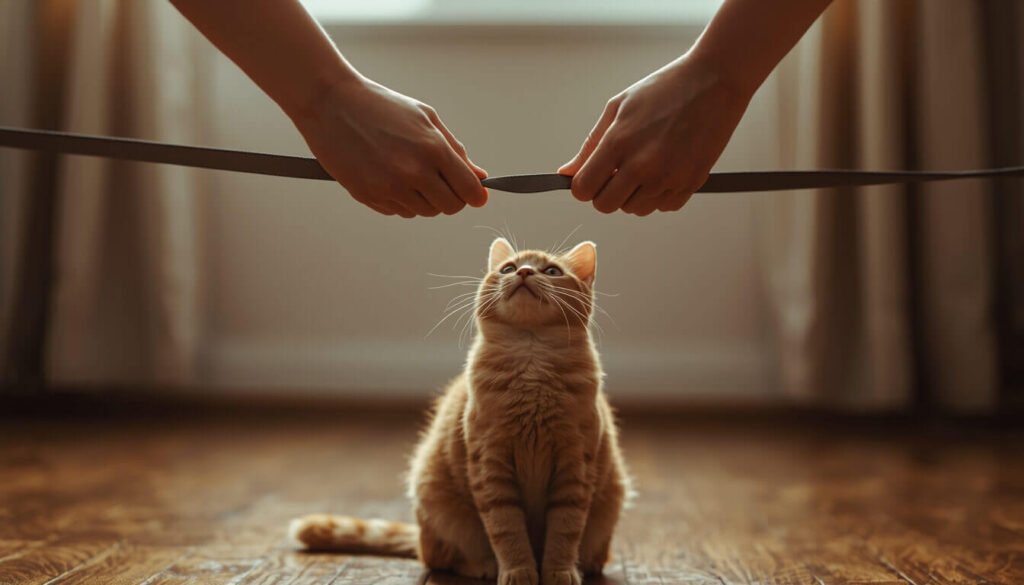
family members, or in co-parenting situations after separation. Unlike standard policies that assume a single owner,
these plans or endorsements ensure that anyone listed as the primary caregiver can file a claim and receive reimbursement without ownership disputes complicating the process.
This type of coverage prioritizes the pet’s health by eliminating bureaucratic hurdles between the caretaker and veterinarian.
Meaning in Pet Insurance
In the Pet Partners Insurance industry, the concept of “pet partners” typically revolves around multi-party ownership. Standard insurance policies are typically issued to one person—the “policyholder.” This individual is the only one who can make changes to the policy, submit claims, and receive payments. However, life isn’t that simple.
Pet Partners Insurance recognizes that many pets live in changing homes. This term refers to a policy structure that legally recognizes multiple owners or caretakers. This is different from simply adding a user login to an app; it’s a contractual agreement that shares risk and responsibility for the animal.
When you see this term, it usually means one of two things:
Joint Ownership: The policy is written with two named individuals as co-owners.
Flexible Beneficiary Terms: The insurance company allows any primary caretaker to handle the transaction, provided the pet is verified as an insured animal.
This setup is crucial because it prevents situations where a pet cannot receive emergency treatment simply because the policyholder cannot be contacted to approve the expense or provide payment details.
Why It Happens (Situations Requiring This Coverage)
Life changes, and so do living situations. Pet partner coverage exists because the traditional “one person, one pet” model doesn’t fit modern lifestyles. Here are the most common reasons why a Pet Partners Insurance owner might seek or need this type of policy:
Co-habitation and roommates: Many young professionals and city dwellers adopt pets with roommates. One person may pay the adoption fee, but care and financial responsibilities are often divided.
Romantic relationships and marriage: Couples often acquire pets together before marriage. In these cases, the pet truly becomes a shared asset and a family member from day one.
Divorce or separation: When couples separate, pet custody arrangements are becoming more common. Insurance that recognizes both parties allows them to continue sharing expenses and care without forcing one person to give up their connection to the animal.
Multigenerational Homes: In homes where grandparents, parents, and children all live together, responsibility for the family dog may shift between generations, depending on who is home during the day.
Gifting Pets: Sometimes, the pet is technically “owned” by one person (such as a child), but the financial responsibility rests with the parents. Partners coverage ensures that parents can manage the insurance without legally transferring ownership to a minor.
How It Works in Real Situations
The mechanics of Pet Partners Insurance Partners Insurance are easier to understand when you imagine how it works during a typical event. The process is designed for flexibility and speed, prioritizing pet care over paperwork.
First, the policy must be set up correctly at the outset. Both partners must be listed on the insurance provider’s account.
This typically requires providing both partners’ personal details, such as name, date of birth, and contact information, during the enrollment phase.
Once the policy is activated, the “two-party” feature comes into play. Imagine that Partner A is at work and the dog swallows a toy.
Partner B takes the dog to the emergency vet. Because the policy recognizes both partners, Partner B can authorize hospital treatment. After the visit, Partner B pays the vet bill directly.
When it’s time to file a claim, either Partner A or Partner B can log in to the insurance portal. They upload the same invoice and medical records.
Because the system cross-references the pet’s microchip or medical records—not just the owner’s name—the claim is processed.
The reimbursement check (or direct deposit) can be issued to any partner, depending on how they’ve set up their payment method, or it can be split if the insurance company offers it.
This system eliminates the hassle of transferring money or ownership documents before the pet can receive care. The insurance company verifies the pet, and the process continues as long as a named partner submits the claim.
Common Mistakes Pet Owners Make
Shared pet ownership and insurance can be difficult to understand. Even with good intentions, owners often make mistakes that can lead to rejected claims or delayed reimbursement. Here are some of the most common mistakes to avoid.
1. Only Listing One Person on the Policy
This is a common and costly mistake. Even if you and your partner are currently living well together, having only one name on the policy can be problematic.
If that person is traveling, in a meeting, or experiencing an emergency, the other caretaker has no legal right to file a claim.
They must pay out of pocket and hope the policyholder will reimburse them later, which can put a strain on relationships and personal finances.
2. Assuming “Household” Coverage is Automatic
Many pet owners mistakenly assume that because they are married or live at the same address, insurance automatically covers both of them. This is wrong. Insurance contracts clearly state who the insured party is.
Unless the policy explicitly states “joint” or “partners” coverage, it is likely a single-owner policy. You will need to confirm this with the provider during the application process.
3. Inconsistent Billing and Payment Methods
When two people share a policy, the payment method must be the same. If the premium is automatically paid from Partner A’s account, but Partner B changes banks without updating the policy,
the payment may fail, resulting in loss of coverage. If the pet becomes ill during that time, the claim will be rejected. Partners must specify who manages the monthly premium so that it is always paid on time.
4. Failing to Update Information After a Breakup
While this policy is great for co-parenting, it can become a liability if the relationship sours. A common mistake is forgetting to remove the ex-partner from the policy.
If the ex-partner is still listed, they technically have access to the policy and can file claims or make changes. After a separation, where one person keeps the pet, the other should be officially removed from the insurance contract to maintain clear ownership and control.
5. Not Discussing the Deductible and Reimbursement Level
Partners often split premiums, but forget to discuss out-of-pocket expenses. If a policy has a $500 deductible and a 90% reimbursement rate,
who will pay the first $500? Who will get the 10% that isn’t covered? If the couple hasn’t discussed it, a $3,000 vet bill could lead to arguments over who owes what. Having a clear financial agreement along with the insurance policy can help prevent conflict during stressful times.
FAQs (People Also Ask)
Can two people be on the same pet insurance policy?
Yes, many providers allow joint policies or have flexible terms that allow any listed owner or partner to file a claim. You usually need to specifically request this during enrollment to ensure both parties have access to the account.
Is pet insurance cheaper if you have two pets?
Most providers offer a multi-pet discount, which is usually around 5% to 10% off the total premium, when you insure multiple animals on the same account. This is different from having two owners on one policy; it means having multiple pets.
What happens to pet insurance if owners separate?
If owners separate, the policy can usually be transferred to the pet owner. The departing owner will need to be removed from the policy, and the remaining owner will become the sole policyholder. If both owners own the pet part-time, some insurance companies allow the joint policy to remain active as long as both agree.
Do both owners need to sign the pet insurance claim form?
Generally, no. Most modern insurance claims are submitted online or through an app. As long as the person submitting the claim is the insured named on the policy, their signature or digital authorization is sufficient. The requirement is that the pet be verified, not all owners sign.
Can I add a partner to my existing pet insurance policy?
This depends on the insurance company. Some providers allow you to add a partner after the policy starts, similar to adding a spouse to car insurance. Others require that joint ownership be confirmed at the time of application. You’ll need to contact your provider directly to inquire about their “endorsement” or “amendment” process.
Conclusion
Navigating the world of Pet Partners Insurance coverage can be daunting, but understanding the role of Pet Partners Insurance is essential for anyone who shares their life and pet with another person.
This type of coverage ensures a beloved animal receives timely medical attention without delaying the technicalities of ownership.
Understanding that households change frequently these days, these policies allow any specific caregiver to act in the pet’s best interests.
Whether you’re a roommate, a partner, or co-parenting a Pet Partners Insurance after a life change, ensuring your insurance reflects your actual life situation is the most effective way to protect both your money and your beloved family member.
Always verify specific joint-owner rules with your provider to ensure your policy works the way you expect when you need it most.