
Is Pet Insurance Worth It for Indoor Cats? The Honest Truth in 2026
You love your indoor cat. She spends her days napping on the couch, chasing sunbeams, and knocking things off your desk. She never goes outside. So you might be thinking — does she really need pet insurance?
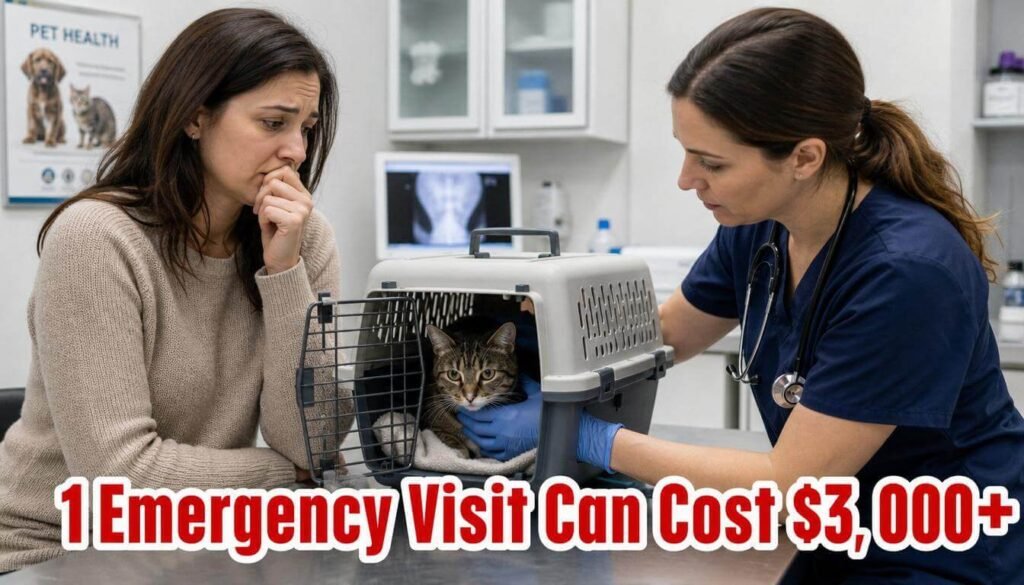
It’s a fair question. And honestly, a lot of cat owners skip pet insurance for indoor cats, thinking the risk is low. But here’s what most people don’t realize — indoor cats get sick too. Sometimes very sick. And a single vet visit can cost you thousands of dollars overnight.
In this guide, we’re going to break down everything you need to know about pet insurance for indoor cats. No fluff, no confusing jargon — just real, honest information to help you decide what’s right for you and your cat.
What Does Pet Insurance Actually Cover for Cats?
Before we talk about whether it’s worth it, let’s quickly understand what pet insurance actually does.
Pet insurance works a lot like human health insurance. You pay a monthly premium, and in return, the insurance company helps cover your vet bills when something goes wrong.
Most pet insurance plans cover:
- Accidents — broken bones, swallowed objects, injuries
- Illnesses — infections, cancer, diabetes, kidney disease
- Diagnostics — blood tests, X-rays, MRIs, ultrasounds
- Surgery — emergency and non-emergency procedures
- Hospitalization — overnight stays at the vet clinic
- Specialist visits — cardiologists, neurologists, oncologists
Some premium plans also cover:
- Dental illness
- Behavioral therapy
- Alternative treatments like acupuncture
- Prescription medications
What most plans do NOT cover:
- Pre-existing conditions
- Routine wellness visits (unless you add a wellness rider)
- Cosmetic procedures
- Breeding costs
So the question isn’t really “what does it cover” — it’s “will my indoor cat ever need these things?”
also read👉👉 Pet insurance Ohio what dog owners should know before buying a plan
Are Indoor Cats Really at Lower Risk?
Here’s where most cat owners get it wrong.
Yes, indoor cats avoid a lot of outdoor dangers — cars, predators, fights with other animals, and exposure to parasites. That’s real. But “lower risk” doesn’t mean “no risk.”
Indoor cats face their own set of serious health issues:
Obesity and Diabetes
Indoor cats move less. They eat more. This leads to obesity, which is one of the biggest health problems in indoor cats. Obese cats are highly likely to develop diabetes, which requires ongoing insulin treatment and vet monitoring — costing thousands every year.
Urinary Tract Disease (FLUTD)
This is extremely common in indoor cats, especially males. Urinary blockages can be life-threatening and require emergency surgery that can easily cost $2,000 to $5,000 or more.
Kidney Disease
Chronic kidney disease (CKD) is one of the leading causes of death in older cats. It develops slowly and requires long-term treatment, special diets, and frequent vet visits.
Hyperthyroidism
Very common in cats over 10 years old. It requires daily medication, regular blood tests, or a one-time radioactive iodine treatment that can cost $1,500 or more.
Cancer
Indoor or outdoor — cats get cancer. Lymphoma, mammary tumors, and squamous cell carcinoma are all common in cats. Treatment can cost anywhere from $3,000 to $15,000+.
Dental Disease
More than 70% of cats show signs of dental disease by age 3. Dental cleanings under anesthesia can cost $500 to $1,500 per visit.
The bottom line? Your indoor cat is not as safe as you think. She’s just facing different risks.
How Much Does Cat Vet Care Actually Cost?

Let’s talk real numbers. This is where pet insurance decisions get serious.
| Condition | Average Vet Cost |
|---|---|
| Urinary blockage | $2,000 – $5,000 |
| Diabetes (annual) | $1,000 – $3,000 |
| Kidney disease (annual) | $800 – $2,500 |
| Cancer treatment | $3,000 – $15,000 |
| Broken bone | $1,500 – $4,000 |
| Hyperthyroidism treatment | $1,500 – $3,000 |
| Dental cleaning | $500 – $1,500 |
| Emergency hospitalization | $1,000 – $5,000 |
Now compare that to pet insurance costs for cats:
- Average monthly premium: $20 – $50 per month
- Annual cost: $240 – $600 per year
- Deductible: $100 – $500 (you choose)
- Reimbursement rate: 70% – 90%
So if your cat develops a urinary blockage and the bill is $3,000 — with insurance (80% reimbursement after a $250 deductible) — you’d only pay around $850 instead of the full $3,000.
That’s a saving of over $2,000 from a single incident.
Is Pet Insurance Worth It for Indoor Cats? The Real Answer
Here’s the honest answer: it depends — but for most cat owners, yes, it is worth it.
Here’s why:
If your cat stays perfectly healthy her whole life, you’ll pay premiums and never use them much. That feels like a waste.
But if your cat gets sick — and statistically, most cats will have at least one major health issue in their lifetime — that insurance can save you from a financial emergency.
The real question isn’t “will I use it?” It’s “can I afford a $3,000 to $5,000 vet bill without warning?”
For most people, the answer is no.
Pet insurance gives you peace of mind. It means you never have to choose between your cat’s life and your bank account.
Pros and Cons of Pet Insurance for Indoor Cats
✅ Pros
- Financial protection against unexpected, large vet bills
- Peace of mind — you can say yes to treatment without panic
- Covers serious illnesses like cancer, diabetes, kidney disease
- Customizable plans — choose your deductible and reimbursement rate
- Some plans cover specialists and emergency care
- Monthly cost is manageable — often less than a streaming subscription
❌ Cons
- Monthly premiums add up — even if your cat stays healthy
- Pre-existing conditions not covered — enroll early
- Waiting periods — most plans have 14-day illness waiting periods
- Reimbursement model — you pay first, then get money back
- Not all conditions covered — read the fine print carefully
- Premiums increase with age — older cats cost more to insure
When Is Pet Insurance NOT Worth It for Indoor Cats?
To be fair, there are situations where pet insurance may not make sense:
- Your cat is already very old — premiums will be high and many conditions may be pre-existing
- You have significant savings — if you can comfortably cover a $5,000 vet bill, self-insuring might work
- Your cat has serious pre-existing conditions — insurance won’t cover what’s already there
- You’re on an extremely tight budget — even $30/month can be hard for some people
In these cases, consider starting a dedicated “cat emergency fund” instead — set aside $50/month into a savings account just for vet bills.
How to Choose the Right Pet Insurance for Your Indoor Cat
Not all pet insurance is the same. Here’s what to look for:
1. Coverage Type
Choose a comprehensive accident and illness plan. Don’t just get accident-only — your indoor cat is far more likely to get sick than injured.
2. Reimbursement Rate
Look for 80% or 90% reimbursement. The higher the rate, the less you pay out of pocket.
3. Annual Deductible
A lower deductible means you pay less before insurance kicks in. But it also means a higher monthly premium. Balance it based on your budget.
4. Annual Limit
Avoid plans with very low annual limits ($5,000 or less). Cancer treatment alone can exceed that. Look for unlimited annual coverage if possible.
5. Waiting Periods
Most plans have a 14-day waiting period for illness. Some have shorter periods for accidents. Know this before you enroll.
6. Customer Reviews
Check real customer reviews — especially about the claims process. A cheap plan with terrible claims service is worse than a slightly more expensive plan that actually pays out.
Top Pet Insurance Options for Indoor Cats in 2026
Here’s a quick comparison of popular options:
| Provider | Monthly Cost | Reimbursement | Annual Limit | Best For |
|---|---|---|---|---|
| Figo | $20 – $40 | Up to 100% | Unlimited | Best overall |
| Embrace | $25 – $45 | 70–90% | Up to $30,000 | Older cats |
| Lemonade | $15 – $35 | 70–90% | Up to $100,000 | Budget-friendly |
| Trupanion | $30 – $60 | 90% | Unlimited | Serious illness |
| Nationwide | $25 – $50 | 50–70% | Varies | Wellness add-on |
Prices are estimates and vary based on your cat’s age, location, and plan selection.
Alternatives to Pet Insurance for Indoor Cats
If pet insurance doesn’t feel right for you, here are some alternatives:
1. Self-Insurance (Emergency Fund)
Set aside $50–$100 per month into a dedicated savings account. Over time, this builds a fund you control completely.
Risk: If something happens early before you’ve saved enough, you’re on your own.
2. CareCredit
A healthcare credit card that lets you pay vet bills over time with low or zero interest promotional periods.
Risk: If not paid off in time, interest rates can be very high.
3. Veterinary Payment Plans
Some vets offer in-house payment plans. Ask your vet about this option.
Risk: Not all vets offer this, and terms vary widely.
4. Non-Profit Assistance Programs
Organizations like The Pet Fund or RedRover Relief help pet owners cover emergency vet costs.
Risk: Limited funds, not always available when you need them.
Real-Life Scenario: Would Insurance Have Helped?
Meet Sarah. She has a 4-year-old indoor cat named Mochi. Mochi never goes outside, eats well, and seems perfectly healthy.
One night, Mochi stops using the litter box and starts crying. Sarah rushes to the emergency vet at 11 PM. Diagnosis: urinary blockage. The bill? $3,800.
Sarah didn’t have pet insurance. She had to put $2,000 on her credit card and borrow the rest from family.
If Sarah had enrolled Mochi in a pet insurance plan at age 1 — paying around $25/month — she would have paid about $900 in premiums over 3 years. With 80% reimbursement, insurance would have covered around $2,800 of that $3,800 bill.
Net result with insurance: Sarah pays roughly $1,900 total (premiums + out-of-pocket). Net result without insurance: Sarah pays $3,800 — plus credit card interest.
The math speaks for itself.
FAQ: Is Pet Insurance Worth It for Indoor Cats?
1: Do indoor cats really need pet insurance?
Yes. While indoor cats face fewer outdoor dangers, they are still at high risk for illnesses like diabetes, kidney disease, hyperthyroidism, and cancer — all of which can cost thousands to treat.
2: What is the best age to get pet insurance for my cat?
The earlier, the better. Enroll your cat as a kitten if possible. The younger your cat, the lower the premium and the fewer pre-existing conditions to worry about.
3: Does pet insurance cover routine vet visits for cats?
Standard accident and illness plans do not cover routine wellness visits. However, many insurers offer optional wellness add-ons that cover annual exams, vaccines, and flea prevention.
4: Can I get pet insurance for an older indoor cat?
Yes, most insurers cover cats up to a certain age (usually 10–14 years). However, premiums will be higher and any existing health conditions will be excluded from coverage.
5: How does pet insurance reimbursement work?
You pay the vet bill upfront, then submit a claim to your insurance company. They review it and reimburse you based on your plan’s reimbursement rate (typically 70–90%) after your deductible is applied.
6: Is it worth getting pet insurance if my cat seems perfectly healthy?
Absolutely. Most major cat illnesses develop suddenly or are discovered late. Pet insurance is about protecting yourself from unexpected costs — not just covering current problems.
Conclusion: Should You Get Pet Insurance for Your Indoor Cat?

Here’s the bottom line — if you love your cat and want to make sure money never stands between her and the care she needs, pet insurance is absolutely worth it.
Indoor cats live long lives — often 15 to 20 years. And over that time, the chances of at least one major health issue are very high. A single emergency can wipe out your savings overnight.
For the cost of a few cups of coffee per week, you can protect yourself from a financial disaster and give your cat the best care possible.
Our recommendation: Enroll your cat in a comprehensive accident and illness plan as early as possible. Compare at least 3 providers, check their reviews, and choose a plan with at least 80% reimbursement and a high or unlimited annual limit.
Your cat gives you unconditional love every single day. The least you can do is make sure she’s protected. 🐾
Looking for more helpful guides? Check out our articles on how pet insurance works when you switch providers, and what to look for in the best pet insurance plans for 2026.