
No Kings Protests Expand Nationwide as Opposition to Trump Administration Intensifies
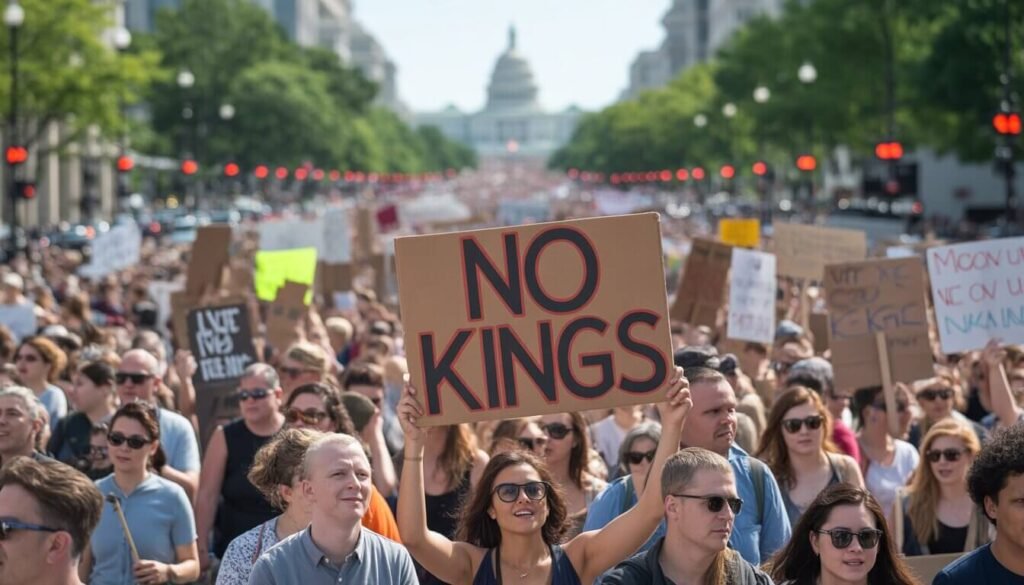
The “No Kings protests” have rapidly spread across the United States, drawing large crowds opposing policies tied to the administration of Donald Trump. Demonstrators gathered in multiple cities, calling attention to concerns over executive power, immigration enforcement, and civil liberties. Organizers say the movement is growing, while authorities report arrests and heightened tensions in several locations.
Nationwide Demonstrations Gain Momentum
The No Kings protests began as a coordinated effort by activists and organizers who argue that recent federal actions reflect an overreach of presidential authority. Demonstrations took place in major cities and smaller communities, signaling a broadening movement rather than isolated protests.
Participants carried signs and chanted slogans rejecting what they describe as authoritarian tendencies. Protesters emphasized that their goal is to defend democratic institutions and prevent the concentration of power in the executive branch.
Organizers confirmed that turnout exceeded expectations in several regions, with some cities seeing thousands of participants. The movement has also gained traction online, helping mobilize additional supporters.
also read Trump Gas Prices Why Prices Rise or Fall
Core Issues Driving the No Kings Protests
At the center of the No Kings protests are concerns about executive decisions tied to immigration enforcement, federal authority, and civil rights protections. Protesters argue that certain policies risk undermining constitutional checks and balances.
Many demonstrators specifically criticized recent immigration-related actions, claiming they disproportionately affect vulnerable communities. Others raised concerns about the broader implications for governance and the rule of law.
Organizers stressed that the protests are not limited to a single policy but represent a wider opposition to what they view as a pattern of governance that concentrates power.
Arrests and Law Enforcement Response
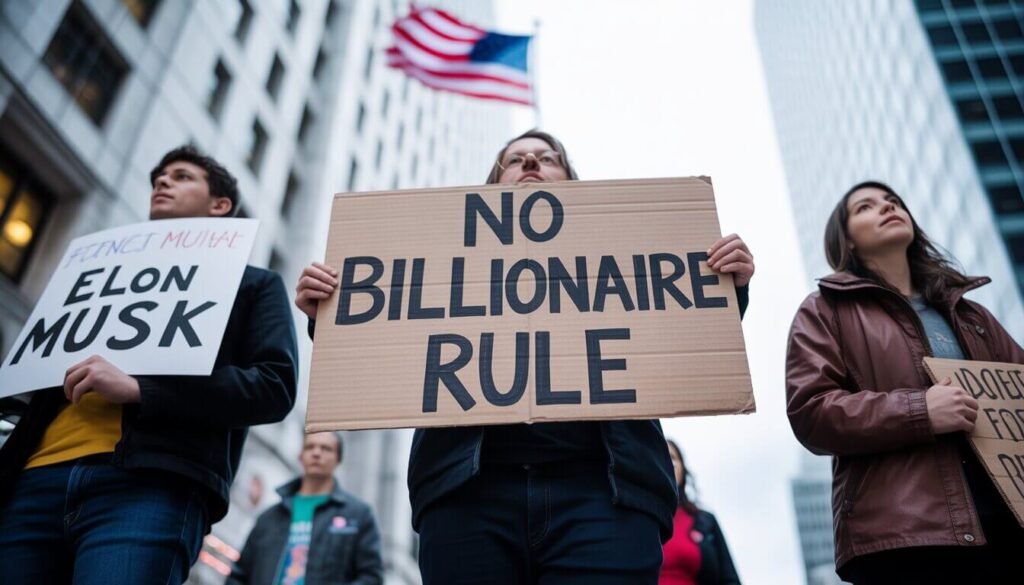
Authorities reported multiple arrests during the No Kings protests, particularly in areas where demonstrations escalated into confrontations. Law enforcement officials stated that most gatherings were peaceful but acknowledged incidents involving disruptions, blocked roads, and clashes.
Police presence was increased in several cities as a precaution. Officials said their priority was maintaining public safety while allowing lawful demonstrations to proceed.
In some cases, protesters accused law enforcement of using excessive measures, while authorities defended their actions as necessary to control crowd movement and prevent escalation.
Organizers Outline Strategy and Goals
Leaders behind the No Kings protests said the demonstrations are part of a broader campaign aimed at sustaining public pressure on policymakers. They emphasized that the movement is decentralized, with local groups coordinating events independently while aligning with shared messaging.
Organizers indicated plans for continued demonstrations, suggesting that the protests could evolve into a longer-term movement. They also highlighted efforts to engage voters and increase political participation as part of their strategy.
According to organizers, the protests are designed to remain visible and persistent, signaling ongoing resistance rather than a one-time event.
Political Reactions and Public Debate
The No Kings protests have sparked strong reactions across the political spectrum. Supporters argue that the demonstrations reflect legitimate concerns about governance and accountability. Critics, however, have dismissed the protests as politically motivated opposition.
Public officials have offered differing responses, with some expressing support for the right to protest and others emphasizing the importance of maintaining order.
The protests have also intensified debate over executive authority and the limits of presidential power, bringing these issues to the forefront of national discussion.
Growth of the No Kings Movement
The rapid expansion of the No Kings protests highlights growing public engagement with political issues. Organizers noted that participation has increased not only in major urban centers but also in smaller towns, indicating a widening base of support.
Social media played a significant role in organizing and amplizing the protests, allowing information to spread quickly and enabling coordination across regions.
Activists believe this momentum could translate into sustained activism, particularly as key political decisions continue to unfold.
Key Locations and Turnout
Protests were reported in multiple states, with varying levels of turnout depending on location. Some cities experienced large-scale demonstrations, while others saw smaller but still significant gatherings.
In several areas, demonstrators marched through city centers, while others held rallies outside government buildings. The diversity of locations reflects the decentralized nature of the movement.
Authorities and organizers both acknowledged that the scale of participation demonstrates a notable level of public mobilization.
Challenges Facing the Protests
Despite their growth, the No Kings protests face several challenges. Organizers must maintain momentum and ensure that demonstrations remain organized and effective.
There are also logistical challenges, including coordinating events across different regions and managing communication among decentralized groups.
Additionally, tensions with law enforcement and differing public opinions could impact how the protests are perceived and sustained over time.
What Comes Next
Organizers of the No Kings protests indicated that further demonstrations are likely in the coming weeks. They aim to keep attention focused on their concerns while expanding outreach efforts.
The movement’s future will depend on its ability to maintain participation and influence public discourse. As debates over executive authority continue, the protests are expected to remain a visible part of the national conversation.
For now, the No Kings protests represent a significant moment of civic engagement, reflecting ongoing divisions and debates within the country’s political landscape.